I’ve been following real estate education since the 1980s, and in all that time one thing hasn’t changed much. We’ve all been taught to look for the same thing.
Find a building. Buy it at a good price. Fix it up. Then either keep it or sell it.
Rentals, flips, wholesaling, BRRRR: they all need a building. And we’re all looking for one that needs only a little lipstick and rouge: paint, flooring, cabinets and new fixtures.
If the roof is shot or the foundation is cracked, we move on. If there’s no building at all, we don’t even slow down.
Investing since 2001 has taught me something traditional real estate education rarely mentions. Some of the best opportunities are in the properties other investors throw away.
Why Everyone Is Fighting Over the Same Deals
Here’s the problem with everyone being taught the same thing. Everyone ends up looking for the same building.
Those buildings are getting harder to find and more expensive to buy. When everyone chases the same product, prices go up and margins get squeezed.
Most investors respond by working harder. I’d suggest expanding what you consider a deal in the first place.
Four Types of Property Other Investors Overlook
There are four situations I see traditional investors walk away from all the time.
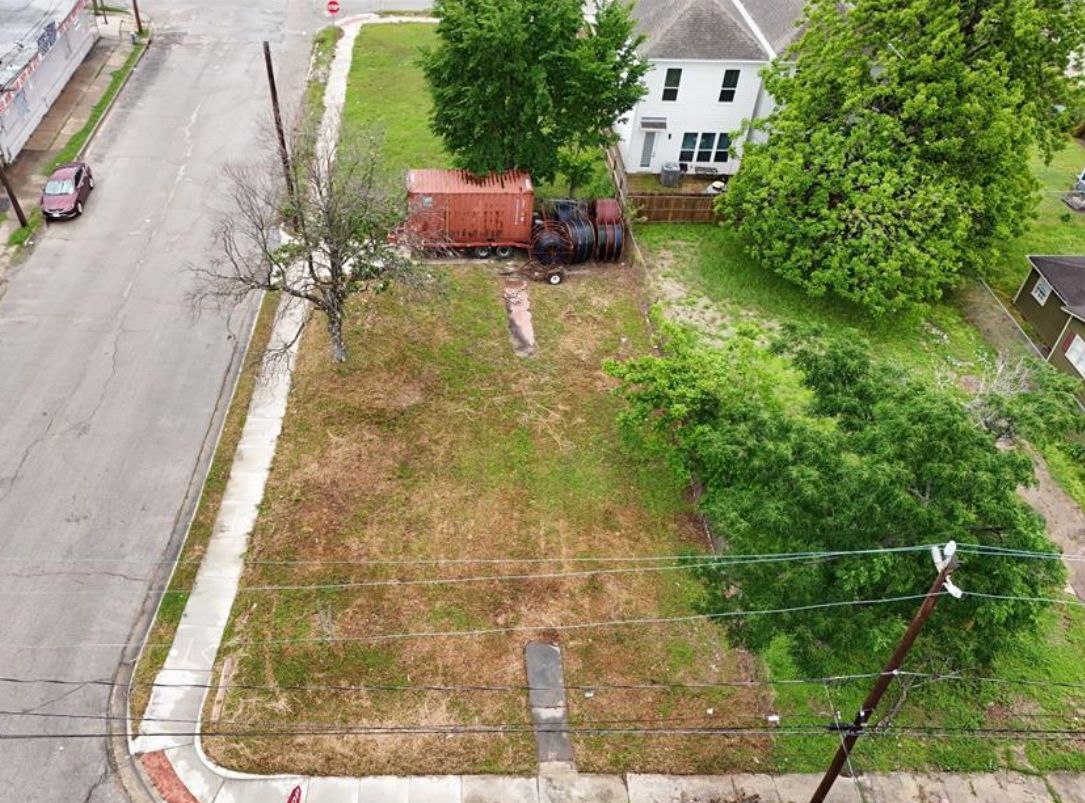
1. The Vacant Lot
What does a landlord or flipper do with a vacant lot? Usually nothing. There’s nothing to renovate and nothing to rent, so it doesn’t fit the model.
But a vacant lot isn’t a dead lead. It just needs a different tool. A landlord might build their next rental on it instead of buying one. A house flipper might build a new house to sell. Or you might add value on paper and sell it without ever putting a shovel in the ground.
2. The House That’s Too Far Gone
Sometimes walking away is the right call. But first ask: what if you didn’t have to save the building?
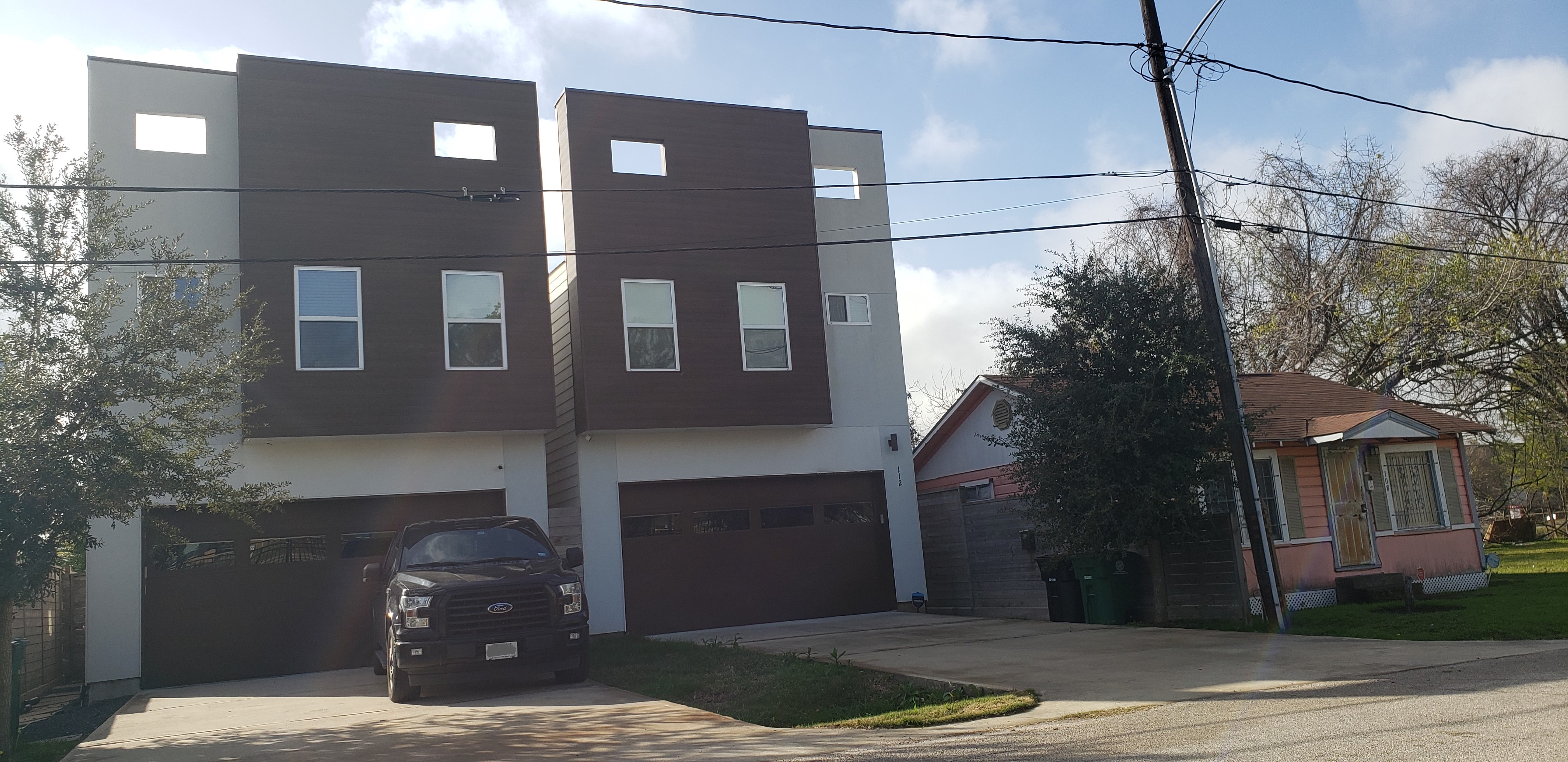
Sometimes the building is the least valuable part of the property. Once it comes down, you have a vacant lot, and depending on the zoning, one old house can become two or more new homes.
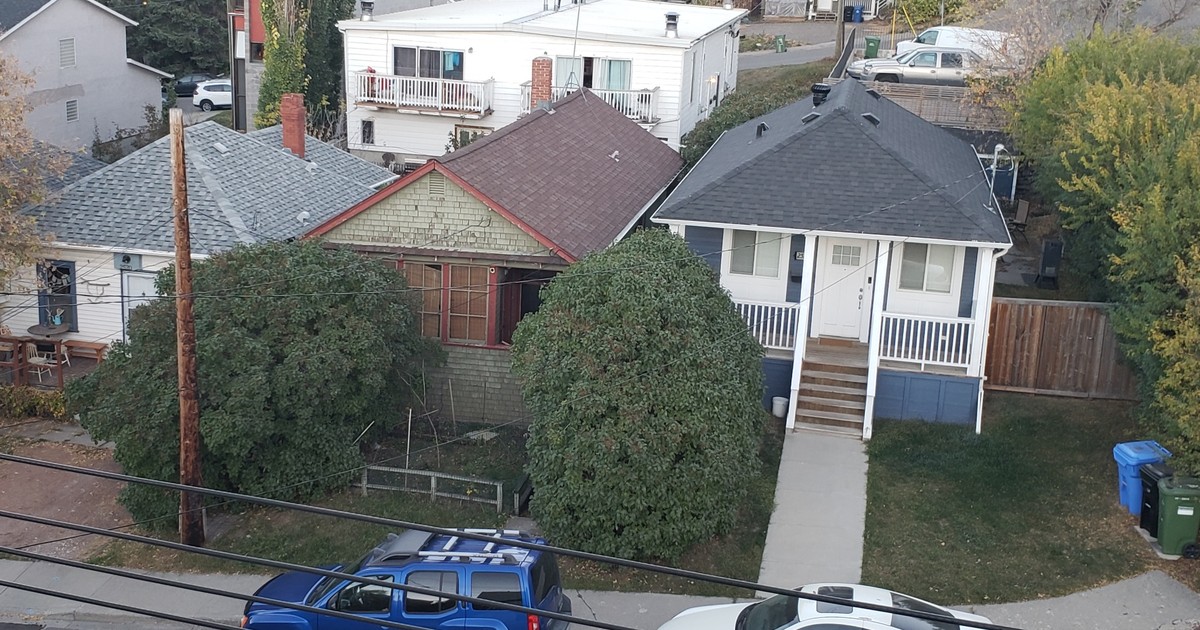
3. The Lot Next Door
When investors look at a property, they rarely look at the one beside it. That’s how I stumbled into my first new-build project.
I bought an old house on Willow Crescent to flip. Then the gentleman next door passed away, and his son asked if I wanted to buy his father’s house too. I did, and my plan was still to flip it.
Then someone started building a new infill home two blocks over, and that got me thinking. Both houses sat on huge pie-shaped lots. Instead of renovating two tired houses, I could take them down and build four new homes: two single-family houses and a duplex.
A traditional investor would have seen two flips. Same properties. I just started seeing them differently.
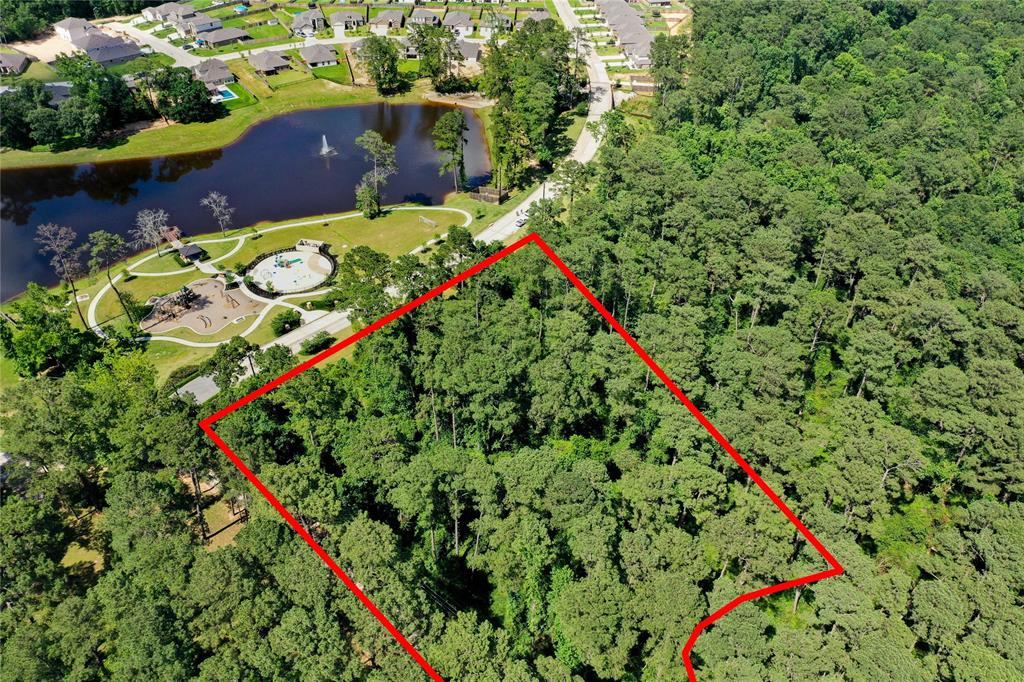
4. The House with Extra Land
Years ago, I bought a 1970s fourplex through a bankruptcy sale, planning to hold it as a rental. After I bought it, I discovered the property included an extra 50-foot lot. It wasn’t mentioned anywhere in the bankruptcy paperwork.
I subdivided the excess land, sold it and made a $30,000 profit. I put that money against the fourplex mortgage, which brought my loan-to-value down from 80% to 70% and noticeably improved my cash flow.
I was still a landlord. Same fourplex, same strategy. I just found more value in a property I already owned.
How many landlords are sitting on something similar right now without knowing it?
Where to Start Looking
You don’t need new software or a new Realtor, or even different search criteria. What changes is what you see when you look. I’d start in three places.
Your Dead Leads
Go back through the properties you’ve already said no to.
- Was there a house that was too far gone to renovate?
- A vacant lot you skipped past?
- A good building with a vacant lot or tear down next door?
- A house sitting on an oversized lot?
You’ve already paid for those leads. Before buying more, check whether you missed something.
Your Own Portfolio
You might already own your next opportunity. Do you have an old rental that would be better replaced than renovated one more time? A house where you could suite the basement or add a unit off the back alley? A property with more land than the house needs?
Sometimes the best deal is the one you already bought.
New Listings
Keep looking at the same listings but pay attention to the land as well as the building: lot size, zoning and what’s next door.
Other investors see what’s on the property. Start asking what could be there instead.
More Properties, More Sellers, More Ways to Make a Deal
In a traditional flip, the seller has to move out so you can renovate. That limits how you can structure the deal. Maybe a vendor take-back or an agreement for sale, and not much else.
With some of these strategies, I actually want the seller to stay. They keep paying the mortgage and the utilities and cutting the grass while I work on creating the added value. I teach seven ways to partner with a seller and five ways to sweeten the deal, and several of them can significantly reduce the cash you need up front.
And because I’m creating value rather than just buying it, I can often pay the seller something closer to fair market value. That’s a win-win, instead of trying to steal the deal at 30 cents on the dollar.
This matters most for wholesalers. The traditional model needs two things: a house in bad shape and a seller in bad financial shape. A vacant lot doesn’t fit. A house that’s too beat up doesn’t fit. A seller who isn’t in trouble doesn’t fit. All three become dead leads.
Look at them differently and all three can become productive leads. And instead of collecting a $5,000 or $10,000 assignment fee, a wholesaler who adds value first, even just on paper, can potentially earn many times that on the same deal.
You Don’t Have to Become a Builder
Many investors hear this and picture big construction projects, millions of dollars and a lot of risk. That’s not what I’m suggesting.
Here’s a simple example. Say you buy a single-family rental for $400,000. You have one tenant, which means you’ve paid $400,000 for one rental unit.
Now say the property allows you to:
- Suite the basement for $50,000
- Add a unit in the back yard for $80,000
You’ve now invested $530,000, but you have three rental units at an average of about $176,000 each. A property that didn’t cash flow before may now have a real chance to.
These numbers are only an illustration, and your property’s rules and costs would need to be checked. But look at what happened. Did you stop being a landlord? No. You added a tool to your toolbox.
The same idea works for flippers. Instead of buying your next flip, you might build it.
And there’s a whole group of what I call paperwork-only Micro-strategies: splitting a lot, changing the zoning or density, or assembling two lots and then selling. You never have to swing a hammer, hire a builder or take on construction risk.
Look at the Same Properties Differently
If there’s one idea to take from this article, it’s this: you don’t necessarily need to find different properties. You need to start looking at the same properties differently.
That doesn’t mean every vacant lot, old house or big back yard is a deal. Plenty of them aren’t, and knowing which ones to walk away from matters just as much as spotting the good ones.
But the more ways you know to create value, the more properties you can work with, the more sellers you can work with and the more exits you have when a project doesn’t go to plan.
You don’t have to throw away what you already know. Build on it.
Start Seeing the Deals Other Investors Miss
I’ve put the four scenarios together in a free guide: The 4 Deals Other Investors Throw Away (And What They Can Become). It shows what each kind of property can turn into, including options that don’t require building anything, and how the same property looks to a landlord, a flipper and a wholesaler.
Once you can see these opportunities, the next question is whether a specific property is worth pursuing, and how to find out before you spend serious money. That’s what my course Find, Vet & De-Risk is built for.
You May Also Find These Articles Helpful
- What Questions Should I Ask Before Buying Land?
- Is This Property Worth Developing?
- What Makes A Development Deal Profitable?
Want a second set of eyes on a specific property? You can book a paid 1-on-1 Deal Review with me: 45 minutes, focused on your deal.
Or if you have a question, you can email me at darcy@huttonradway.com.