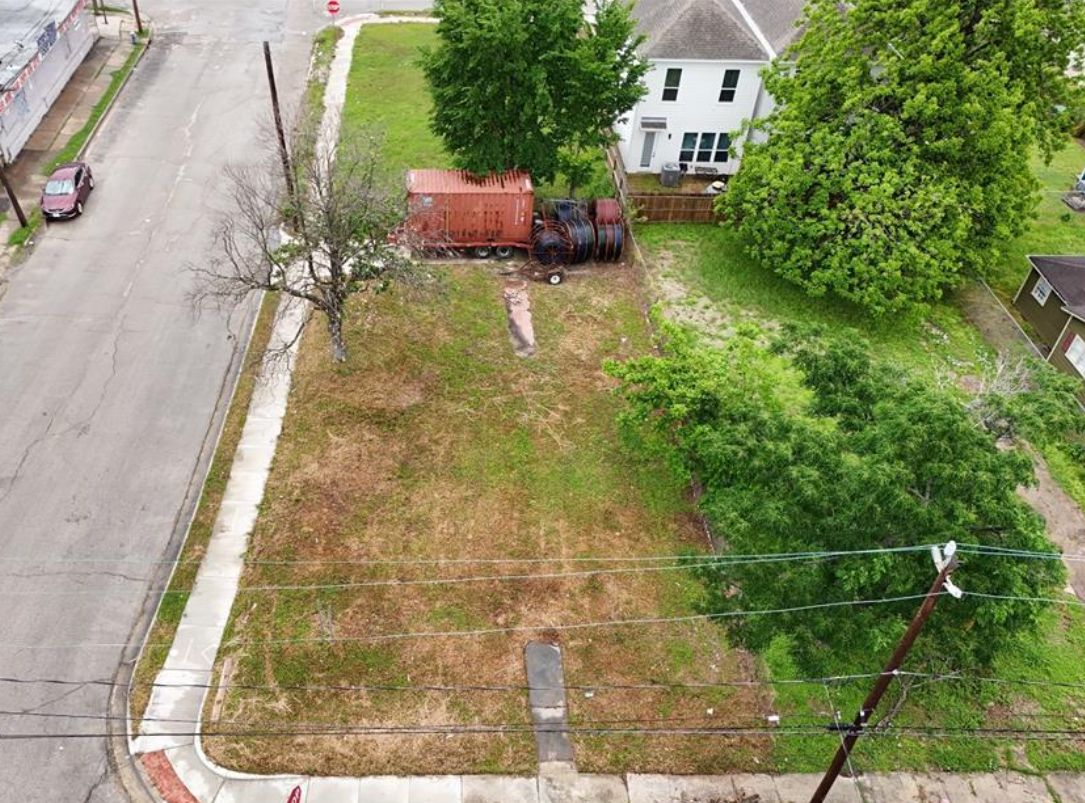
A lot of people ask the wrong question when they start looking at land. They ask: "Can I buy this property?"
I think the better question is: "Should I buy this property?"
Those are two very different questions.
Over the past 25 years, I've evaluated hundreds of properties, developed everything from single infills to 36-lot subdivisions and even a horse track and casino, and helped students complete projects ranging from simple lot severances to apartment developments.
One thing I've learned is this: Buying land isn't just about finding a nice piece of dirt. It's about finding a problem you can solve.
That's why I encourage people to slow down. Be patient. You need to learn some STUFF first.
Unlike rentals or flips, where you're buying something that already exists, real estate development is about creating something that doesn't exist yet. That means there are far more moving parts, far more uncertainty, and far more opportunities to make expensive mistakes.
Here are the questions I ask before I ever make an offer.
Reverse Engineer the Project
One serious mistake new developers make is starting with the land. I start with the finished project.
Before I look at zoning, servicing or budgets, I ask myself:
- Who is going to live here?
- Are these renters or buyers?
- Singles? Families? Empty nesters?
- Is this better suited to detached homes, duplexes, townhouses, apartments or commercial space?
Once I can picture the finished development, I begin working backwards. That changes everything. Now I'm not trying to force an idea onto a piece of land. I'm trying to find the vision that best supports that property.
Even if I'm only planning to complete the entitlement work and sell the project to another builder, I still have to reverse engineer it. The next developer has to be able to make the numbers work for the eventual end user.
Is This Really the Highest and Best Use?
Every developer needs to understand the concept of Highest and Best Use. There are four questions:
- Is it physically possible?
- Is it legally permissible?
- Is it financially feasible?
- Is it maximally productive?
Those are the technical questions. But I think there's another question that often gets overlooked.
Does the neighborhood actually want and need this?
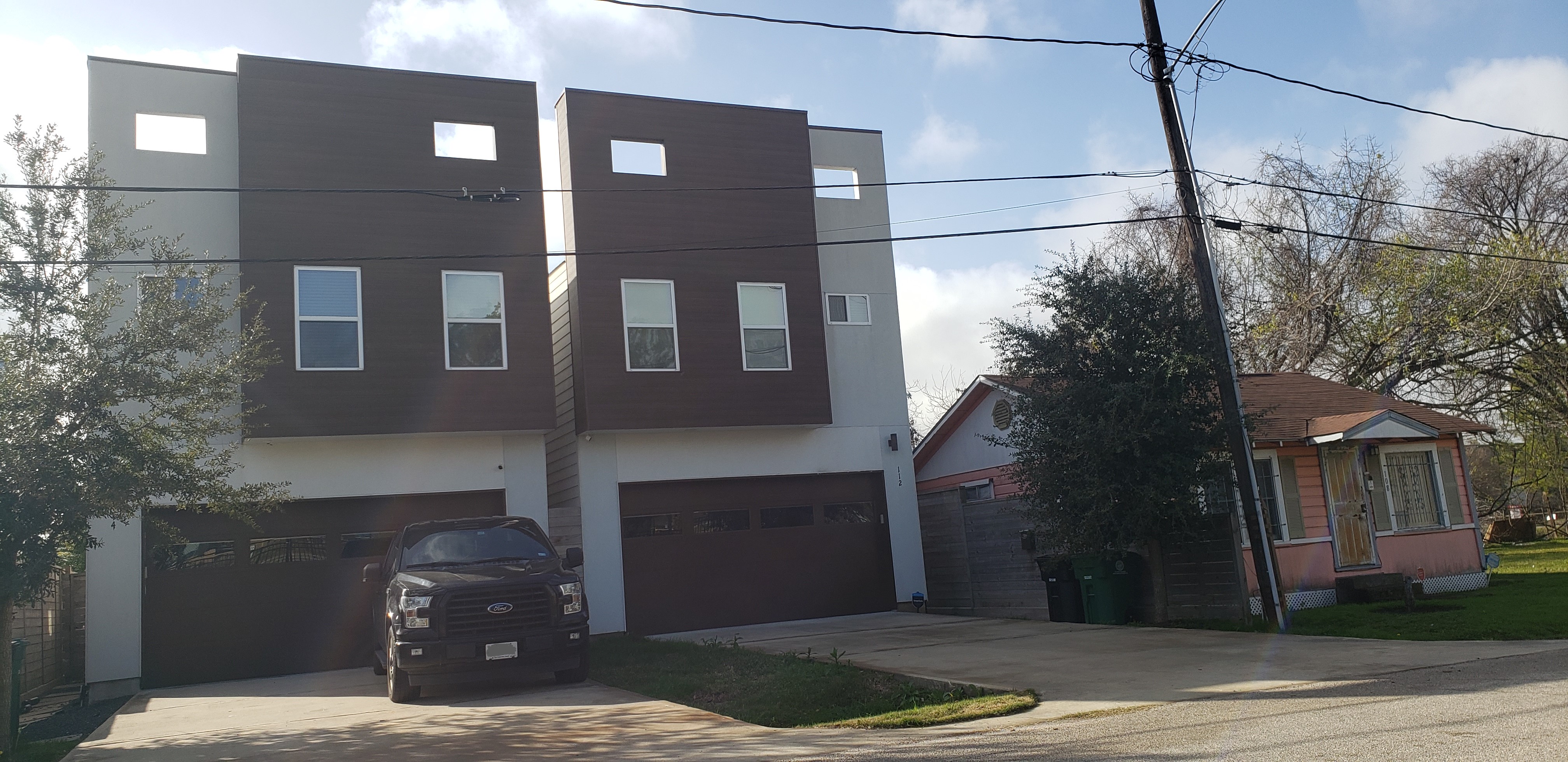
I've seen inexperienced developers become fixated on building a 24-unit apartment because that's what they want to build. The problem? The community may only support townhouses. Or duplexes. Or high-end infills.
That's where flexibility becomes one of your greatest assets. If you have your heart set on a particular type of project, you need to be flexible about where you build. If you absolutely love a particular neighborhood, then you need to be flexible about what you build. Don't be the square peg trying to fit into the round hole.
Don't Paddle Upstream
One newspaper article has stayed with me for years. A developer had spent three years trying to get approval for a 24-unit apartment building. The city had rejected it again and again.
When I showed that article to my students, many of them blamed the municipality. I didn't. I was on the city's side on this one. At some point you have to ask yourself whether you're trying to create something the community simply doesn't want.
Don't Paddle Upstream. Work with the city. Work with the community. Work with the neighborhood.
Development is hard enough without creating unnecessary enemies. Listen to them. Read between the lines. What do they really want?
Walk the Site Like a Detective
When I visit a property, I'm not just looking at the land. I'm using all my senses.
- What do I smell?
- What do I hear?
- What do I see?
- Am I backing onto a freeway? A railway? An industrial site?
- Is there evidence of environmental concerns?
I also pay attention to what is called the approach zone. What's the drive into the property like? Is it attractive? Safe? Welcoming? People don't just buy a house — they buy the experience of getting there.
I also recommend visiting every property three different times: a weekday, a weekday evening, and a weekend. The neighborhood often tells three different stories.
People Buy Minutes, Not Miles
One lesson I've learned over the years is that people think in time, not distance. Nobody says, "My commute is twelve miles." They say, "It's about fifteen minutes."
That's why quick access matters. You may not want to back onto the freeway. But being two minutes from the freeway can be a tremendous advantage. The same applies to schools, transit, shopping, parks and employment. Convenience creates value.
Look for the Hidden Opportunity
A lot of investors look at a property and see what it is. Developers look at a property and ask what it could become.
- Is there excess land that could be severed?
- Could the zoning be changed?
- Can the density be increased?
- Is there demand for commercial use?
- Could old, serviced lots become new serviced lots?
Sometimes the biggest opportunity isn't building something. Sometimes it's simply changing the use of the property. The real lift in development often comes from changing the zoning, the density, the number of lots, or the permitted use.
Find a need and fill it. Find a problem and solve it.
Don't Force the Numbers
One of the easiest ways to lose money is to fall in love with a property. Once that happens, people start forcing the numbers to work. They assume higher selling prices than are realistic, construction costs that are too low, and unrealistic timelines. Everything becomes optimistic. Reality rarely cooperates.
I also see people forgetting dozens of development costs that don't exist in more traditional real estate investing — soft costs, consultants, engineering, reports, permit fees, and holding costs. Those forgotten costs can destroy an otherwise good project.
I have created a free PDF entitled "Development Costs Most People Forget" to help you with that.
Don't Dive into the Lake
One of the biggest mistakes I see is spending too much money too early. I teach Real Estate Development in three stages.
Stage One: Walk Into the Lake Up to Your Ankles
Do quick, high-level due diligence. Talk to the city. Understand what's generally possible. Build rough budgets. Decide whether it's worth tying up the property. If the answer is no, walk away. You've spent very little time and almost no money. I call this Decision Point A.
Stage Two: Get into The Lake Up to Your Knees
Once the property is under contract, spend a little more. Prepare some conceptual drawings you can show to the various stakeholders. Talk to lenders, investors, the city, and the community. Put some tighter numbers to revenue and cost. Can the project still work? If not, walk away. This is Decision Point B.
Stage Three: Finally, Dive In
Only now do you commit. Engineering. Architectural plans. Environmental reports. Formal applications. Now the burn rate starts — this is where you will spend the 'soft cost' portion of your budget. Every month you're paying interest, taxes, insurance and carrying costs. Move as efficiently and as quickly as possible.
Give Yourself Enough Time
Another mistake I see repeatedly is allowing the seller to dictate the timeline. Remember, they're often thinking about this as a normal home sale. You are not. You may be planning to knock the house down and build something entirely different. You need enough time to answer the important questions before you remove your conditions.
At the same time, don't spend six months analyzing a property before making an offer. I once spoke with someone who had spent nearly a year and tens of thousands of dollars pursuing approvals on a project that realistically had almost no chance of succeeding. That should have been discovered before making the offer.
Development is very linear. Do things in the right order and give yourself enough time to get the answers you need.
The Darcy Principle
The biggest mistake new developers make is believing that buying land is the first step. It isn't. The first step is learning how to think like a developer.
Real Estate Development is different than what you may be used to with Flips or Rentals. Give yourself the proper time to learn what you need to know. Then when you do find a potential property: reverse engineer the project, understand the end user, work with the city instead of against it, preserve your options, commit your money gradually, and be patient enough to kiss several frogs before you find the right opportunity.
Development isn't just about buying land. It's about recognizing the rare pieces of land that deserve to be bought.