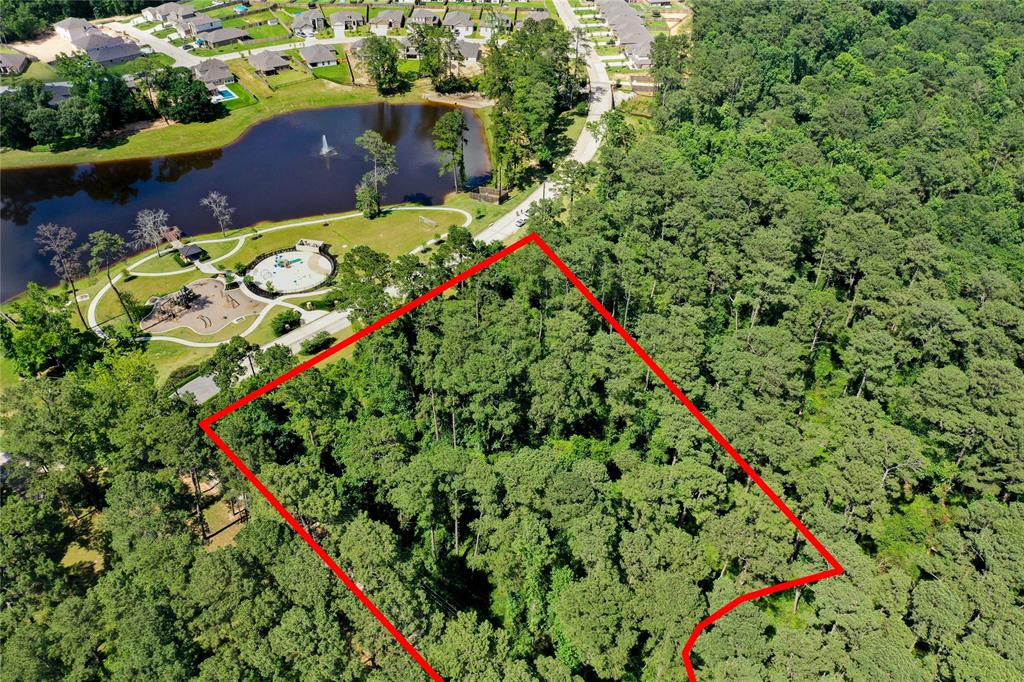
Ask ten real estate investors what makes a Real Estate Development deal profitable and you'll probably hear the same answers. "Buy cheap." "Keep your construction costs down." "Sell into a hot market."
Those things certainly help. But after more than twenty-five years in real estate, I don't think they're the only answer. The biggest profits don't always come from buying the cheapest property. They come from creating the most value. The challenge is understanding what "value" actually means.
Profit Starts Long Before Construction
There's an old saying in real estate: "You make your money before you buy the property." I think that's especially true in Real Estate Development.
Before you even make an offer on the property, you should already have a good understanding of:
- What the highest and best use is
- Who the eventual end user will be
- Where the value will be created
- How you'll eventually exit the project
If you don't know those things before making an offer, you're hoping the project works. Hope isn't a development strategy.
Cheap Land Isn't Always Cheap
Many beginners assume the cheapest land creates the biggest profit. Not necessarily. Think about what determines land value. Generally speaking, three things matter most:
- How close the property is to existing communities and services.
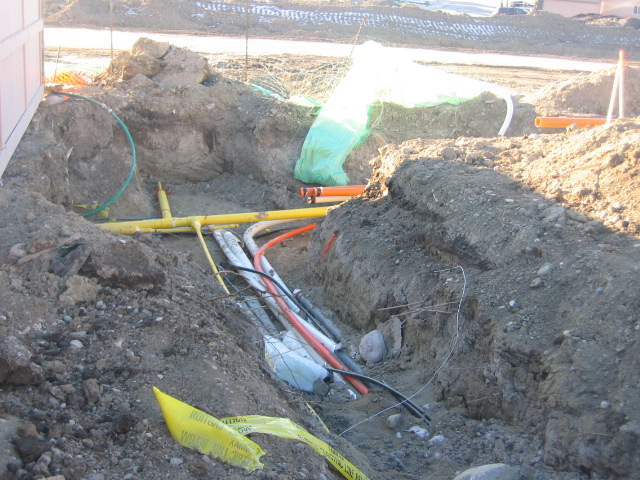
- How close it is to infrastructure like roads, water, sewer, electrical and natural gas.
- Whether the zoning already allows the type of development you envision.
If none of those things exist, the land will usually be quite inexpensive. But now you're responsible for solving all of those problems. You haven't found a bargain — you've simply bought a project with more uncertainty.
A useful way to think about it is airline tickets. Sometimes the cheapest airfare becomes the most expensive once you've added baggage fees, seat selection and every other extra. Land works the same way. Don't focus on buying the cheapest property — focus on buying the property that gives you the best opportunity to create value.
Value Increases as Uncertainty Decreases
One of the biggest misconceptions about development is that value only comes from construction. It doesn't. Imagine two identical parcels of land.
One has uncertain zoning, unknown soil conditions, no development approvals, and no servicing plan. The other has completed engineering, approved permits, known environmental conditions, and a clear path to construction. Which one is worth more? The second one — not because a building has been constructed, but because uncertainty has been removed.
Every question you answer increases certainty. Every uncertainty you remove increases value.
That's why paperwork-only Micro-Strategies can be so powerful. A lot split. A lot line adjustment. Entitlement. A Paper Lot strategy. Nothing physical may have happened on the property, yet you've dramatically increased its value because you've reduced the risk for the next person in the development process. You're not just selling paperwork — you're selling certainty.
Match the Parcel to the Strategy to the End User
Another mistake I see developers make is deciding what they want to build before understanding what the property should become. I look at it differently:
- First: Understand the parcel. What are its physical limitations? What is legally possible? What are the municipal realities?
- Then choose the strategy.
- Only after that do I think about the eventual end user. Who will buy it? Who will rent it? What does this neighborhood actually want and need?
Profit comes from matching those three things together. When the parcel, the strategy, and the end user align — good things usually happen.
Bigger Doesn't Always Mean More Profitable
Another common assumption is that the biggest project automatically creates the biggest profit. Sometimes that's true. Often it isn't. Generally speaking, more units reduce your land cost per unit, some professional fees don't increase proportionally, and buying materials in bulk may reduce costs. Those are real advantages.
But there is a limit. Imagine trying to squeeze as many units as possible onto one site. Eventually the units become too small, the parking doesn't work, and the target buyer disappears because nobody wants to live there. You've optimized for density instead of profitability.
Maximum isn't always optimum. The goal isn't to build the biggest project possible — it's to build the right project for that site.
Know Where You Want to Get Off the Escalator
This is probably my biggest philosophical difference from traditional development education. Most people think every project should go from raw land to completed buildings. I don't.
I think of development as an escalator. You can get on wherever you want. You can get off wherever you want.
- Raw land
- Rezoning
- Entitlement
- Servicing
- Construction
- Finished buildings
Every stage creates additional value. Every stage also requires more time, money, complexity and risk. The objective isn't necessarily to ride the escalator all the way to the top. The objective is to decide where you create the greatest value relative to the time, money and risk you're taking.
That's exactly why I created the concept of Micro-Strategies — smaller, targeted ways that allow regular investors to participate in real estate development. You don't have to complete the entire development process to make an excellent return.
Time Can Destroy Profit
One lesson has been reinforced repeatedly throughout my career: time is not necessarily your friend in Real Estate Development. Not just because carrying costs increase — although they do. Time is dangerous because it allows reality to change.
One of my projects was delayed several months because of title issues and construction scheduling. By the time the building was completed, the market had become saturated with competing inventory. The original profit projections no longer existed. On another project, a global financial crisis dramatically changed lending conditions. Trades became difficult to find. Construction schedules stretched far beyond the original plan.
Time rarely destroys profitability by itself. It gives every other risk more opportunities to do damage. That's one of the biggest reasons I encourage investors to get in and out quick.
Leave Money on the Table
Years ago, after obtaining approvals on one of my larger development projects, I received an offer that would have generated $400,000 in profit. I turned it down. I decided to continue through land servicing and construction. Years later, after market changes, financing issues and construction delays, I ended up wishing I had accepted the offer.
I've had students experience something similar. One group planned to build a luxury home and expected to earn roughly $350,000 after construction. Instead, another buyer approached them shortly after permits were approved and offered to purchase the project. They accepted. Their profit was lower, but their timeline was dramatically shorter as well. Their capital was free again in just a few months.
Sometimes leaving money on the table creates a much better overall investment.
The Darcy Principle
Most investors think profitable development is about building bigger projects. I don't. I think it's about creating value as efficiently as possible.
- Find the right parcel.
- Choose the right Micro-Strategy.
- Reduce uncertainty.
- Protect your time.
- Manage your risk.
- Then decide where you want to get off the escalator.
You don't have to complete every stage of the development process to build wealth. Sometimes the most profitable decision isn't building the next phase. It's recognizing that you've already created enough value and letting someone else take it from there.