One of the questions I'm asked most often is: "Darcy, is this property worth developing?"
Unfortunately, there isn't a simple yes or no answer. In fact, I think many investors ask the wrong question. They look at a property and ask: "Can I develop this?" I ask something different: "Should I develop this?"
Those two questions have led me to very different decisions over the past 25 years. Some have made me hundreds of thousands of dollars. Others have taught me lessons that changed the way I think about Real Estate Development forever.
The Property Doesn't Matter Until You Know the Opportunity
Many people believe Real Estate Development begins when you buy a property. I disagree. Development begins when you understand the opportunity.
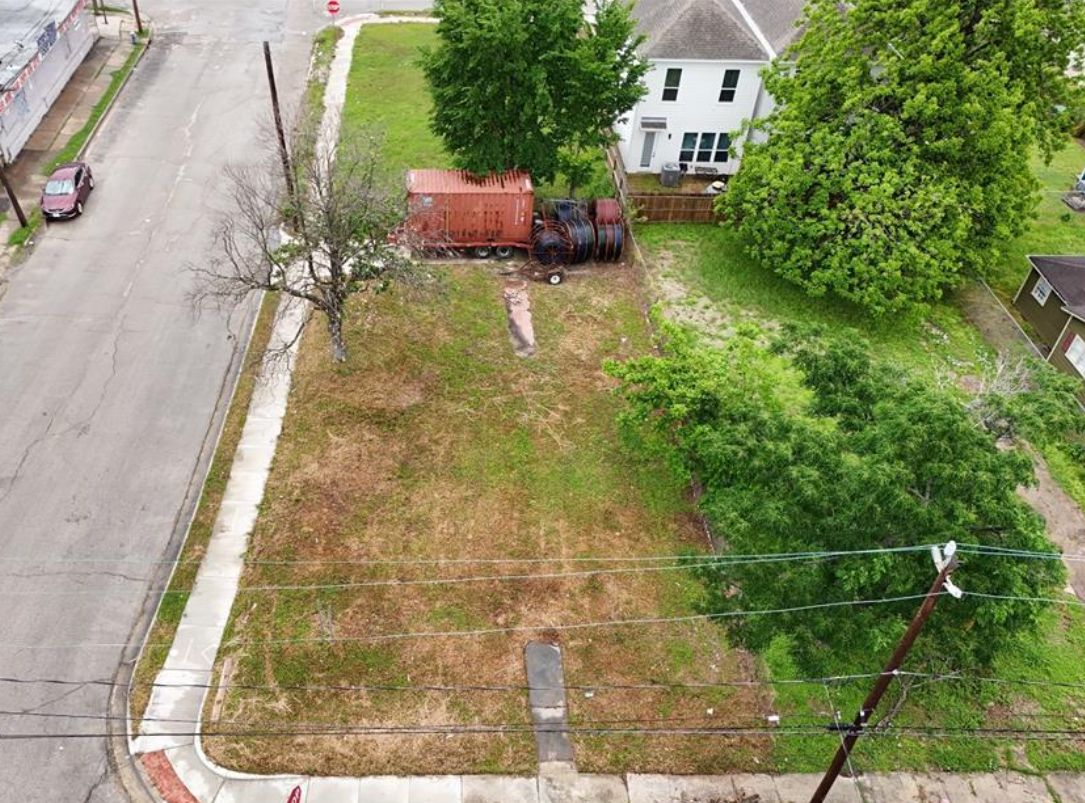
One of my first development projects illustrates this perfectly. I originally bought an old 1960s bungalow because I intended to renovate it and flip it. Shortly afterward, the owner of the neighboring property passed away, and I purchased that house as well. My plan was still simple: renovate and sell both houses.
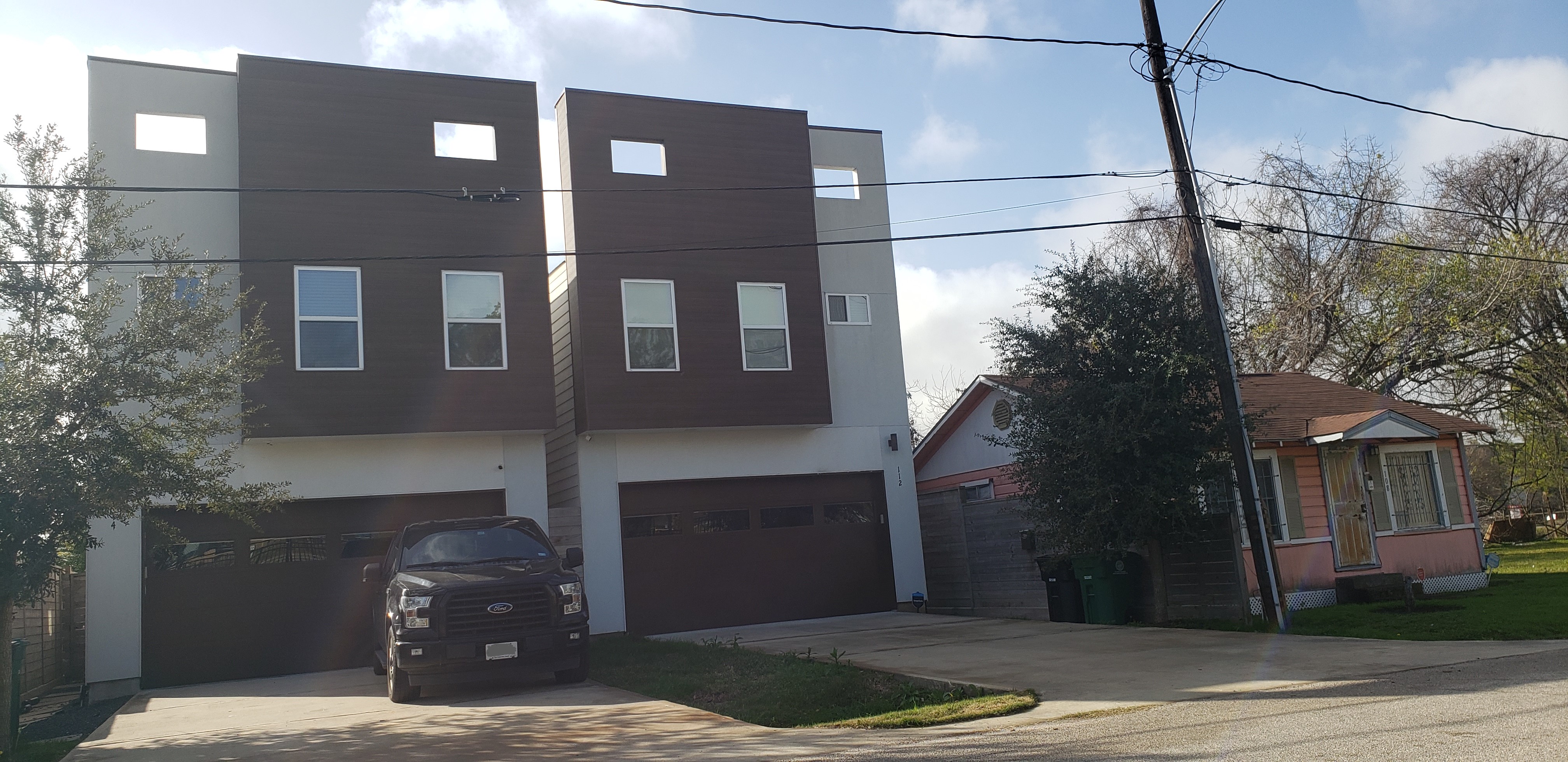
Then something interesting happened. As I drove to the properties every day, I kept noticing new infill homes being built throughout the neighbourhood. Eventually I asked myself: "If everyone else is knocking down old houses and building new ones… why am I renovating?"
Those two pie-shaped lots could accommodate four new homes without changing the zoning. That completely changed the project — and the direction of my career.
Sometimes the best Real Estate Development opportunities aren't the ones you were looking for.
Every Property Has Three Questions
Today, every property I evaluate goes through the same thought process.
1. What future improvement is possible today without zoning changes?
This is called 'By Right.' Sometimes the answer is surprisingly attractive — you may already be able to build more than you realize.
2. What future improvement is realistically possible with zoning or density changes?
Notice I said realistically and not theoretically. This is where many new developers get into trouble. They assume they can convince the city to approve almost anything. That's rarely how development works.
3. Is that improvement worth the additional time, money, energy and risk needed?
This is the question nobody else can answer for you. Some investors are perfectly happy earning 8%. Others won't touch a project unless they believe they'll earn 20% or more. Neither answer is right — it's personal. Just because a property can become something larger doesn't automatically mean you should pursue it.
Don't Paddle Upstream
Years ago, I found a property that I thought would make an excellent car wash. Before making an offer, I started talking to the different stakeholders. The city planning department seemed generally supportive. The local councillor was open to the idea — providing the local community association was on board.
Then I called the president of the community association. His response was polite but revealing. He told me the community had always envisioned a restaurant on that site. He never actually said no. He didn't have to. I knew immediately that I would be fighting an uphill battle.
Don't Paddle Upstream. Development becomes much easier when your vision aligns with the city's vision and the community's vision.
Talk to the city and the community. Ask questions. Then listen to what they say. Had I wanted to build a restaurant there, he as much as told me they would have been happy to support that.
Sometimes Walking Away Is Winning
I had some students who found what initially looked like a fantastic apartment project. The revenue and cost numbers looked great. City fees were surprisingly reasonable. Everything appeared to be lining up.
Then they discovered the parking requirements. Instead of being able to build thirty-five units, they could realistically only build twenty-four. That one change completely altered the economics. The project no longer made sense.
They walked away. Some people would call that a failed deal. I call it a successful decision. The sooner you discover reality, the less time and money you waste chasing a project that was never going to work.
Return on Time Matters
One of the concepts I talk about frequently is Return on Time. We rarely talk about that in Real Estate Education — mostly we focus on ROI. But it's become one of the ways I evaluate every opportunity.
Earlier in my career I was my own general contractor with my flips and rentals. I supervised the renovations, met with trades, visited Home Depot literally every day, negotiated with suppliers, and did the bookkeeping. Everything revolved around me.
Eventually I realized that wasn't the life I wanted. Development gave me something very different — the engineers handled engineering, the architects handled drawings, the builder handled construction. My team did most of the work. I still made the important decisions and arranged financing, but my time commitment became dramatically lower. That's a completely different return on time.
Time Is Not Necessarily Your Friend in Real Estate Development
Time allows the world to change around you. Governments change. Interest rates change. Construction costs change. Markets change.
I experienced this firsthand on a new construction project recently. When I bought the lot, everything looked fantastic. The demographics supported it. Migration into the area was strong. The numbers worked. Construction costs stayed remarkably close to budget.
Then reality changed. There were title delays and construction delays. New competitors entered the market. Large national builders began discounting similar homes. The broader economy softened. The project itself hadn't changed — the market around it had. That's development. That leads to another Darcyism: "Get in And Out Quick."
You Don't Have to Finish Every Project
One of the biggest surprises during my teaching career came after I introduced my students to my Micro-Strategies of Real Estate Development. I explained that development doesn't have to mean taking a project from raw land all the way to the finished building. You can create value and exit at multiple stages.
On one retirement villa project, after completing the entitlement process, I received a written offer that would have produced a $400,000 profit. I turned it down. I wanted to build the project. Then the 2008 Subprime Mortgage Crisis arrived. By the time everything was finished, I ended up losing money.
If I were making that decision today? I'd take the $400,000 and run. Development naturally creates multiple exit points. Each additional step — permitting, land preparation, construction — adds more time, more cost, more complexity and more risk. Sometimes the smartest decision is realizing you've already created enough value.
Decision Point A
One mistake I see repeatedly is investors spending months and thousands of dollars before they even know if a project deserves their attention. When you come across a prospective parcel of land, move quickly. Spend little or no money and gather information. Ask high-level questions:
- Is there a market for what I envision?
- Who is the end user?
- What type of building belongs here?
- Where does the city stand?
- Where does the community stand?
- Do the high-level revenues and costs make sense?
- What is the current zoning and density?
- What can I do 'by right' vs what would take changes with the city?
Once you have that information you have reached what I call Decision Point A — should I tie this property up? You're not trying to prove the project works, just whether it's worth tying up the property and spending more time to get tighter numbers. Don't overanalyze. But don't fall in love either.
The Darcy Principle
When people ask me if a property is worth developing, my answer is usually the same. A property isn't worth developing simply because it has potential. It's worth developing when reality supports the vision.
Be enthusiastic — you'll need that enthusiasm to bring lenders, partners, consultants and municipalities on board. But keep your feet on the ground. Start with three questions:
- What can I realistically improve today?
- What can I realistically improve with approvals?
- Is that improvement worth the additional time, money, energy and risk?
Then get to Decision Point A as quickly as you can. Gather the facts. Keep your emotions in check. Base your decision on reality, not hope. That's how good developers consistently make better decisions.